Gary Hernandez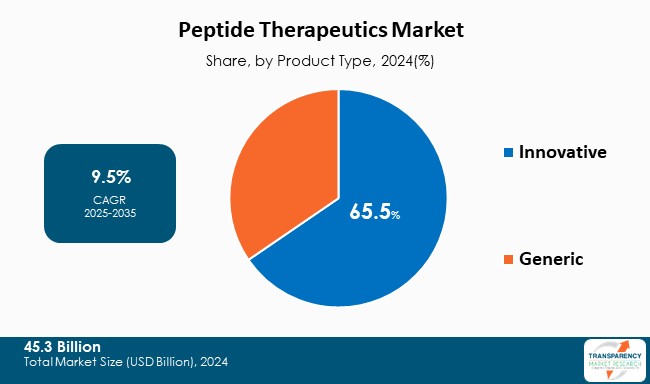
The increasing interest in regenerative science and advanced skincare solutions has brought peptide research into the spotlight. Among the most discussed compounds is GHK-Cu, a copper-binding peptide known for its potential role in tissue repair and anti-aging applications. In recent years, the Canadian market has shown measurable growth in demand, driven by both clinical research and consumer awareness. Midway through evolving peptide trends, ghk cu canada continues to gain traction as professionals and researchers explore its expanding applications across multiple domains.
What is GHK-Cu and Why is it Gaining Popularity?
GHK-Cu is a naturally occurring peptide complex that binds copper ions and plays a role in various biological processes. Statistical observations from peptide research sectors indicate a significant increase in laboratory-based interest over the past decade. This rise is primarily linked to its potential to support skin remodeling, collagen synthesis, and wound healing. As a result, it is frequently incorporated into research formulations focused on dermatological and regenerative outcomes.
What Do Current Statistics Suggest About Market Growth?
Data trends in Canada suggest that peptide-related products have experienced steady annual growth, particularly in the research and cosmeceutical segments. Industry reports indicate that peptide demand has grown by approximately 8–12% annually, with GHK-Cu ranking among the top compounds of interest. This growth is influenced by increasing funding in peptide-based studies and a broader acceptance of advanced biochemical solutions in both research and applied settings.
How is GHK-Cu Used in Research and Applications?
GHK-Cu is widely studied for its multifunctional properties. In controlled environments, it has been observed to contribute to cellular repair mechanisms and support extracellular matrix production. Researchers often focus on its role in skin-related studies, including elasticity improvement and reduction of visible aging markers. Additionally, its potential impact on hair-related research and inflammatory response modulation continues to be explored in laboratory settings.
What Makes Canada a Growing Hub for Peptide Research?
Canada has established itself as a reliable market for peptide sourcing and research due to its regulatory clarity and strong scientific infrastructure. Laboratories and research institutions benefit from access to high-quality compounds and stringent quality standards. This environment supports consistent growth in peptide utilization, with GHK-Cu being a notable contributor to ongoing studies and innovation.
Are There Measurable Benefits Supported by Data?
While research is still evolving, compiled data from controlled studies highlights several promising observations. These include improved skin density metrics, enhanced wound recovery timelines, and increased collagen-related activity in laboratory conditions. Statistical consistency across multiple studies reinforces the relevance of GHK-Cu in peptide research, although further large-scale validation remains ongoing.
What Factors Are Driving Consumer and Research Interest?
The rising demand for non-invasive and scientifically backed solutions is a key driver behind the popularity of GHK-Cu. Professionals are increasingly prioritizing compounds that demonstrate measurable outcomes in controlled studies. Additionally, the growing accessibility of peptide research materials in Canada contributes to its expanding user base, including academic institutions and independent research entities.
What is the Future Outlook for GHK-Cu in Canada?
Market projections suggest continued growth in peptide research, with GHK-Cu expected to maintain a strong position among leading compounds. Advancements in biotechnology and increased investment in regenerative science are likely to further accelerate its adoption. As data-driven approaches continue to shape the industry, GHK-Cu remains a focal point for innovation and exploration.
In summary, the Canadian peptide landscape reflects a data-supported rise in interest surrounding GHK-Cu. Its expanding research applications, combined with favorable market conditions, position it as a significant component in the future of peptide-based studies.


 Larry Torres