Larry Torres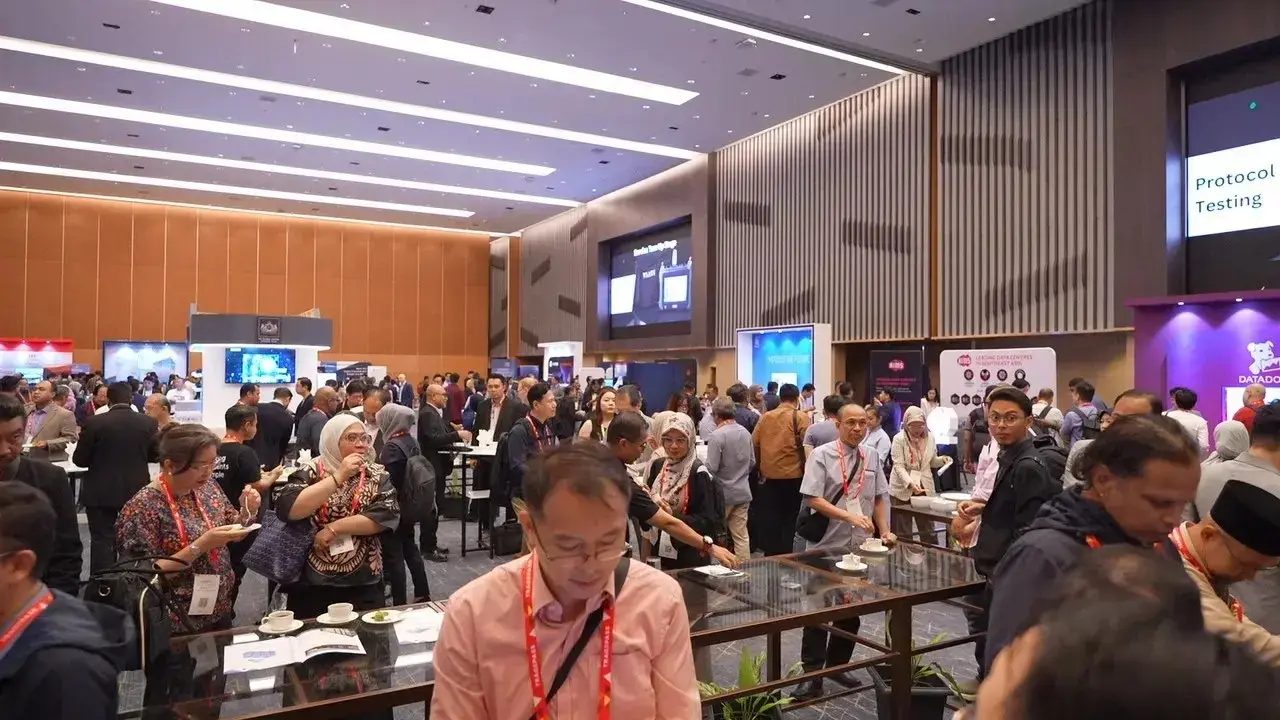
The global digital ecosystem is expanding at an unprecedented pace, driven by cloud computing, artificial intelligence, and data-intensive applications. As businesses increasingly depend on real-time data processing and scalable storage, the need for advanced infrastructure has become more critical than ever. Hyperscale data centres play a central role in supporting this transformation by enabling massive computing power, efficient energy usage, and seamless global connectivity.
The rapid growth of hyperscale data centres in Malaysia reflects how Southeast Asia is becoming a strategic hub for digital infrastructure development. With increasing investments in cloud services, enterprise IT modernisation, and AI-driven workloads, Malaysia is emerging as a key location for next-generation data centre expansion.
Rising Global Demand for Scalable Digital Infrastructure Systems
The infrastructure must be capable of scaling quickly while maintaining the reliability, performance, and security required by modern business. Hyperscale data centres are built to address these requirements through highly scalable computing resources and high levels of automation. The increasing adoption of hyperscale data centres emphasises that the region is becoming increasingly relevant in terms of supporting global digital transformation strategies and adopting cloud adoption tactics.
- Explosion of Cloud Computing Workloads
The adoption of cloud services across industries has been on the rise, leading to the need for massive infrastructure capable of executing billions of business transactions day in and day out. The growth is supported by hyperscale facilities, which offer the computational foundation to accommodate this growth effectively.
- Artificial Intelligence and Data Processing Demand
Applications of AI and machine learning demand high-performance computing power. Hyperscale (SL) data centres are designed to support such dense workloads quickly and efficiently.
- Enterprise Digital Transformation
Enterprises are updating legacy systems and making transitions to cloud-native systems. Such a shift drives the need to have a data centre infrastructure that is resilient and scalable.
- Edge Computing Expansion
Edge computing has been accelerated by the emergence of IoT and real-time applications, which collaborate with hyperscale data centres in order to process data more efficiently.
- Global Connectivity and Network Efficiency
Hyperscale facilities also augment the global networks by improving the latency as well as the efficiency of data in moving across continents.
- Sustainability and Energy Optimization
Present-day data centres have been built with energy-saving architecture that minimally impacts the environment, but at the same time, high performance of the computations is maintained.
Strategic Role of Malaysia in Global Data Centre Expansion
Malaysia is emerging as a critical location for hyperscale infrastructure since it is strategically situated, policy-friendly, and its digital economy is on the rise. The growing number of hyperscale data centres in Malaysia shows that the nation is positioning itself to emerge as a key force in the cloud and digital infrastructure development in the region.
- Geographic Advantage for Connectivity
The location of Malaysia allows it to connect well to Asia-Pacific markets and thus is a perfect fit to distribute data traffic globally.
- Government Support for Digital Growth
Policy efforts and investment are compelling the growth of digital infrastructure and cloud markets.
- Rising Cloud Service Demand
Southeast Asian businesses are actively moving towards cloud technologies rapidly, and hyperscale facilities in the area are starting to be in higher demand.
- Data Sovereignty Requirements
Local data storage is favoured by organisations as it is required to meet regulations and enhance data governance.
- Digital Infrastructure
Multinational tech firms are putting a lot of money into the Malaysian data centre ecosystem.
- Expanding AI and Fintech Eco
The fintech companies and AI startups are fuelling further demand for scalable computing resources.
Fundamental Technological Underpinnings of Hyperscale Data Centres
Hyperscale data centres are based on superior technologies that are efficient, scalable, and high-performing.
- Distributed Computing Architecture
The workloads are spread out between two or more systems to increase efficiency and lessen bottlenecks.
- Advanced Cooling Systems
Cooling technologies that are energy-efficient are used to ensure optimum performance.
- High-Speed Networking Infrastructure
Rapid interconnectedness makes the transfer of data through world systems easy.
- Automated Resource Management
AI-based automation enhances high operational efficiency and decreases downtime.
- Cloud Integration Capabilities
Constant connectivity with cloud solutions allows a flexible deployment of services.
- Data Protection and Security Systems
New cybersecurity systems guard important digital assets.
Hyperscale Infrastructure Expansion Business Benefits
Companies that implement hyperscale infrastructure can achieve considerable benefits in both operations and financials.
- Cost Efficiency at Scale
Mass computing methods make computing units much less costly.
- Improved System Reliability
There are redundancy systems that ensure steady uptime and reliability.
- Enhanced Performance Capabilities
Complex workloads are efficiently supported by high-performance infrastructure.
- Global Market Accessibility
Organisations are able to diversify operations to a variety of areas quite easily.
- Flexible Resource Allocation
Hyperscale enables scaling in response to business needs.
- Innovation Enablement
Improved infrastructure increases the pace of digital innovation and product development.
Sustainability Trends in Modern Data Centre Development
Hyperscale infrastructure planning and operations are focusing on sustainability as a principal area.
- Renewable Energy Integration: Renewable energy sources are becoming more popular in the powering of data centres.
- Carbon Reduction Strategies: Businesses are implementing environmentally friendly technologies.
- Power Usage System Efficiency: Efficient energy use will subsequently reduce operational costs and environmental impacts.
- Water Conservation Technologies: Modern cooling systems reduce the use of water in operation.
- Circular Economy Practices: Reusing and recycling equipment enhances sustainability.
- Eco-Friendly Infrastructure Design: Plants are planned to have long-term environmental benefits.
Conclusion
Hyperscale infrastructure growth is altering the digital ecosystem of the world with increased computing performance, capabilities that are faster, more effective, and scalable. As demand for cloud services, AI applications, and real-time data processing continues to grow, hyperscale data centres will remain a vital backbone of digital transformation.
The emergence of Digital Hub Malaysia underscores the country’s relative prominence in developing global infrastructure, with high investment in connectivity, cloud environments, and data-driven technologies. For professionals and businesses seeking deeper insights into next-generation infrastructure trends, the Datacentre and Cloud Infrastructure (DCCI) Expo Malaysia offers a key platform for knowledge exchange, innovation, and industry collaboration.