Larry Torres
Market access has become easier. Choosing where to trade has not. A platform sits at the center of every trading decision, whether the focus is forex, commodities, indices, stocks, ETFs, or cryptocurrency CFDs. Execution speed matters. Pricing matters. Access to instruments matters. Once a position is open, every function inside the platform begins influencing the overall experience. For that reason, selecting a trading best platform is less about appearance and more about operational capability.
Across global markets, traders continue to compare platforms based on practical factors. Some focus on charting. Others pay attention to spreads, order execution, funding methods, or mobile accessibility. The objective remains the same. They want a trading environment that allows participation in multiple markets without unnecessary barriers.
Platform Stability Often Matters More Than Most Traders Expect
A platform can offer hundreds of instruments and sophisticated tools. None of that helps if performance becomes inconsistent during active market conditions. During major economic releases, prices move quickly. Orders are placed in seconds. Positions are adjusted without warning. In those moments, system responsiveness becomes important. A delay of even a few moments can affect trade management, particularly for participants operating within shorter timeframes.
Beyond execution, reliability contributes to confidence. Traders generally prefer environments where account access, market pricing, plus order functionality remain available whenever needed rather than only during normal trading activity.
Access to Multiple Asset Classes Expands Market Opportunities
Markets do not move together every day. While one sector experiences volatility, another may remain relatively stable. Because of this, many traders seek platforms that provide access to different instruments through a single account structure. The ability to move between markets creates flexibility without requiring separate trading environments.
Alongside forex pairs, many participants evaluate availability across:
- Global stock indices
- Precious metals and commodities
- Individual equities
- Exchange-traded funds
- Cryptocurrency CFD products
Broader market access gives traders additional choices when conditions change. That flexibility can become valuable throughout different economic cycles.
Technology Features That Influence Day-to-Day Trading
The quality of platform technology affects nearly every trading activity. From analysis to execution, each tool contributes to workflow efficiency and decision-making. What separates an average platform from a capable one? Usually, the answer lies in the details rather than headline features.
Advanced Charting Functions
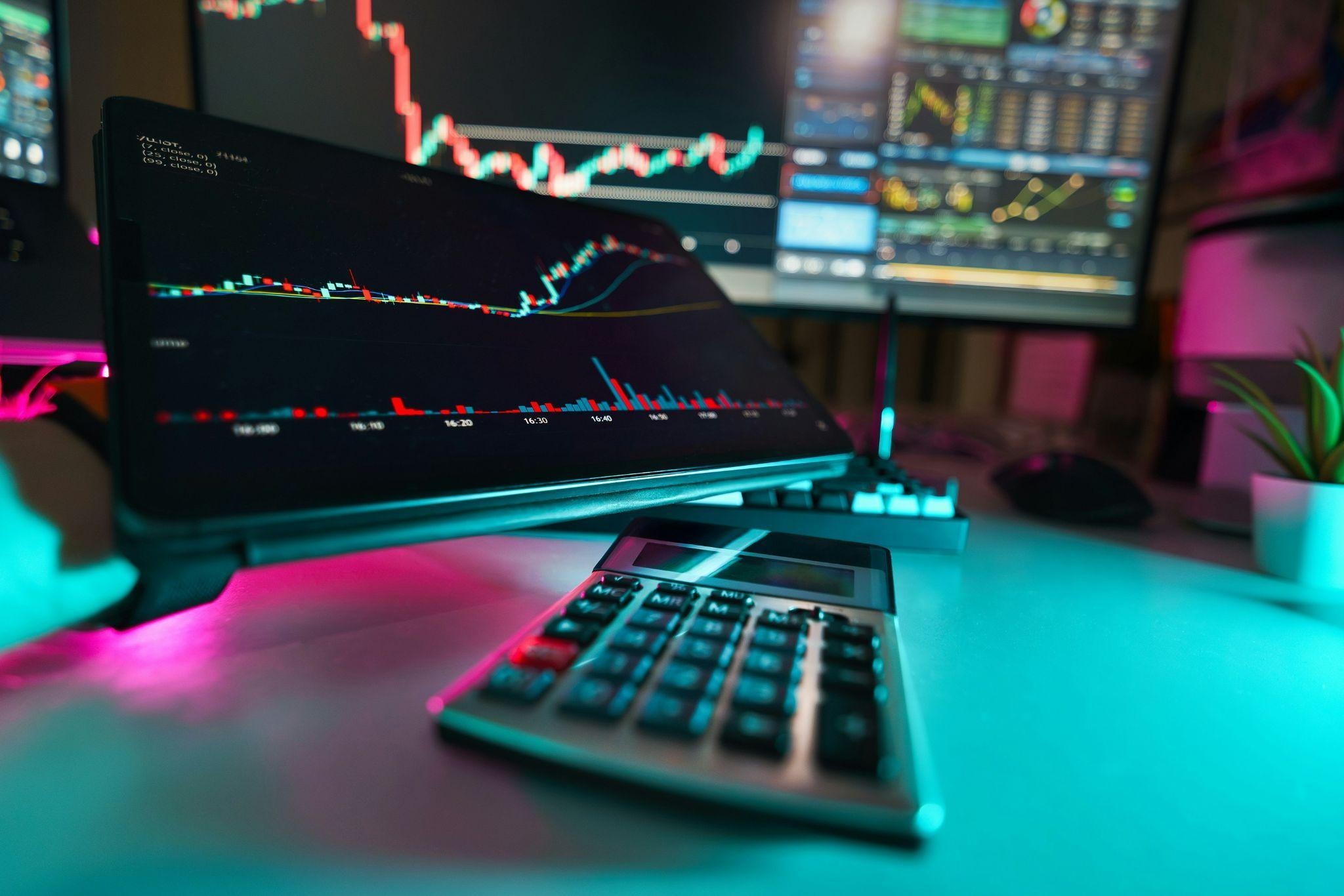
For many traders, charting serves as the starting point for market analysis. Technical indicators, drawing tools, multiple timeframes, alongside customizable layouts help create a clearer view of price behavior. Different strategies require different perspectives. A platform that supports flexibility allows traders to organize information according to their preferred approach.
Real-Time Market Pricing
Delayed information creates unnecessary challenges. Accurate live pricing allows participants to evaluate opportunities using current market conditions rather than outdated data. This becomes particularly important during periods of elevated volatility when prices can shift rapidly within short intervals.
Flexible Order Execution
Not every trade is entered the same way. Market orders, limit orders, stop orders, as well as protective mechanisms provide different methods for entering and managing positions. Having multiple execution choices allows traders to implement strategies according to specific objectives rather than platform limitations.
Cross-Device Accessibility
Trading no longer happens exclusively from a desktop workstation. Whether accessing markets through a browser, mobile application, or dedicated desktop platform, traders generally expect a consistent experience. Synchronization between devices simplifies position monitoring and account management throughout the trading day.
The strongest technology environments combine usability with speed. Fancy interfaces alone rarely influence long-term satisfaction.
Risk Management Features Should Never Be Overlooked
Risk exists in every market. Because price movement cannot be controlled, traders often focus on controlling exposure instead. Modern trading platforms typically provide tools designed to support that process. The effectiveness of those tools can influence account management decisions every day.
Clear visibility into positions, available margin, and account activity helps traders maintain awareness of changing market conditions. Without that information, decision-making becomes more difficult.
Stop-Loss Tools
Protective orders establish predefined exit points before a trade develops. This allows risk parameters to be identified in advance rather than during periods of market pressure. Consistency often begins with preparation.
Margin Visibility
Before opening additional positions, traders need to understand available capital. Transparent margin information provides a clearer picture of account exposure. It also helps prevent unnecessary overextension during active trading periods.
Account Monitoring Functions
From a single dashboard, traders can review balances, open positions, historical activity, plus account performance metrics. That visibility reduces the need to navigate multiple screens while managing active trades.
Exposure Assessment
Holding several positions across different markets can increase overall account risk. Exposure monitoring tools help traders evaluate concentration levels across instruments and sectors. Small details matter here. Sometimes more than expected.
Understanding Trading Costs Before Opening an Account
Trading expenses affect every participant regardless of strategy. For that reason, experienced traders generally review pricing structures before depositing funds. A platform may appear attractive initially, yet the underlying cost structure often deserves closer examination. Several areas commonly receive attention:
Trading Spreads
Spreads represent a primary transaction cost for many market participants. Tighter pricing may reduce overall trading expenses, particularly for individuals who enter and exit positions frequently throughout the week.
Funding Methods
Deposits and withdrawals form part of the broader trading experience. Accessible funding options, combined with efficient processing procedures, contribute to smoother account management and operational convenience.
Fee Transparency
Nobody likes surprises. Clear disclosure of commissions, financing charges, alongside applicable account fees allows traders to evaluate costs more accurately before committing capital.
Ultimately, transparent pricing helps traders focus on markets rather than administrative uncertainty.
Final Thoughts
Searching for a trading environment that combines market access with practical functionality? For traders evaluating the best trading platform in India, platform stability, broad instrument availability, transparent trading conditions, and flexible access tools remain important considerations. Positioned within this space, 9 Square FX offers access to forex, commodities, stocks, indices, ETFs, along with cryptocurrency CFDs through desktop, web, and mobile trading environments, giving market participants a unified platform designed to support active engagement across global financial markets.