Larry Torres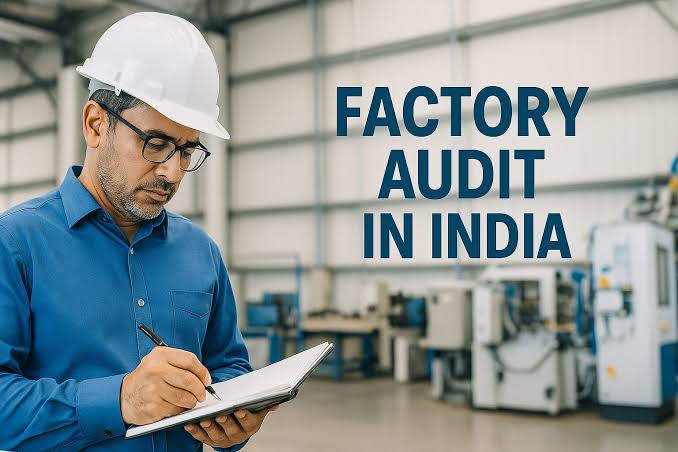
India’s factory landscape runs from large, professionally managed export houses with dedicated compliance teams down to smaller family-run operations that have never hosted an external audit before. Both can produce good quality goods. The difference shows up in documentation, consistency, and how the operation handles pressure when an order needs to scale quickly.
A factory audit in India typically opens with document review, business registration, factory license, fire safety certificate, and for larger operations, certifications like ISO 9001 or industry-specific standards such as WRAP for apparel. Document review alone tells you what the factory claims. The floor walk is where an auditor checks whether reality matches the paperwork.
Machine count and condition matter more than buyers often realize when assessing whether a factory can actually deliver the volume it promises. A facility claiming capacity for a large order should have machinery and staffing that roughly matches that claim, not exactly, since some flexibility exists through overtime and temporary staff, but a facility with forty machines claiming it can produce at a rate that would require eighty is a sign of either subcontracting or unrealistic promises.
Seasonal labor patterns affect staffing levels in ways that matter for audit timing. Many Indian factories, particularly in textile and leather manufacturing hubs, see workforce numbers dip around major festival periods like Diwali, when workers travel home to their native states for several weeks. An audit conducted during this window might see a workforce well below the factory’s typical operating level, which can distort an assessment of production capacity if the auditor doesn’t account for the seasonal dip. Scheduling audits outside these periods, or explicitly noting the seasonal context in the report, gives buyers a more accurate picture of normal operating capacity.
Social compliance audit review covers working hours, wage records, worker age verification, and safety conditions including fire exits, emergency lighting, and whether protective equipment is actually used on the floor rather than just stored in a cabinet for inspection days. India’s labor law framework sets clear standards here, but enforcement varies by state and by how closely a particular buyer’s retail customer scrutinizes the supply chain.
One pattern specific to Indian manufacturing worth flagging: some factories operate with a mix of permanent and contract labor, and contract worker records are sometimes kept separately or less rigorously than permanent staff records. An audit that only reviews permanent employee documentation misses a meaningful part of the workforce, and this gap has become a bigger focus for buyers whose end customers require full supply chain transparency.
Environmental compliance has become a more common audit component over the past few years, particularly for textile and leather manufacturing where effluent treatment matters. A dyeing unit without a functioning effluent treatment plant, or one that has the equipment installed but rarely running it, is a finding that increasingly affects whether major retailers will approve a factory at all.
Multi-site operations add a layer of complexity worth accounting for during scheduling. Some Indian exporters run production across two or three separate facilities under the same company name, splitting cutting, stitching, and finishing across different locations to manage capacity. An audit that only visits the facility listed as the primary address can miss conditions at a secondary unit handling a meaningful share of the actual order, and asking directly whether production is split across multiple sites before scheduling is a simple question that saves a lot of confusion later.
Corrective action plans follow most audits with findings, and the tone of these matters. A well-run audit doesn’t just flag problems, it gives the factory a specific, achievable timeline to fix them and a clear standard for re-verification. Factories that respond well to a first audit with genuine corrections tend to make solid long-term partners; factories that push back on every finding or claim everything was a misunderstanding are worth watching more closely on the next order.
For buyers building a multi-year sourcing relationship rather than a one-off order, scheduling audits on a recurring basis, annually, or after any major change like a new production line or ownership change, catches drift that a single audit at the start of the relationship won’t. Inspection providers with established coverage across India’s manufacturing regions, InspectionService.com included, typically build this recurring audit cadence into their service offering rather than treating each visit as an isolated, one-off engagement. Standards that were solid at onboarding can slip once a factory gets comfortable, and independent verification on a regular cadence is what keeps that from becoming a problem discovered too late.