Larry Torres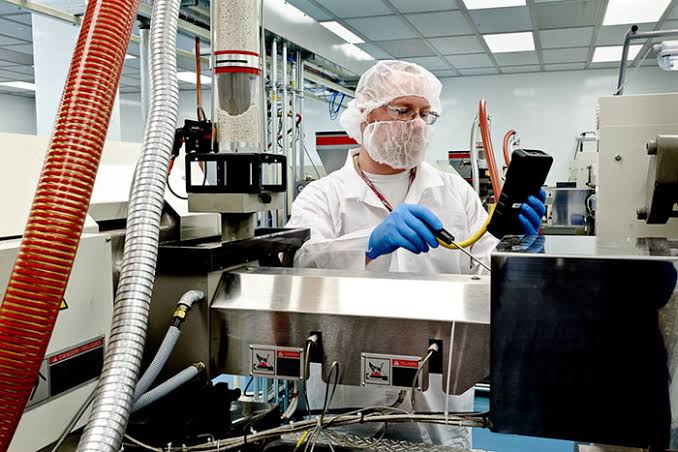
The medical device sector is one of the most tightly-regulated manufacturing sectors in the world. Whether it’s a thermometer or sophisticated surgical machinery, each device must adhere to stringent quality and safety standards before it gets to healthcare professionals or patients. With manufacturing operating around the world within supply chains, it is more difficult than ever to keep it consistent in terms of compliance.
Today’s manufacturers must provide not only novel products but also safe, reliable products which meet international standards. This means having a quality system that is structured and backed by technical expertise, standardized processes and monitoring of quality throughout the production lifecycle. These are essential components and with their absence, even a minor quality problem can have serious consequences.
Why Technical Compliance Is Essential in Medical Device Manufacturing
Quality management is a key duty of the business, not just a regulatory requirement as it directly impacts patient health with medical devices. All manufacturing stages from the sourcing of raw material to its production, assembly, sterilising and packaging, should be carried out according to documented procedures which minimise risk and ensure consistency of product.
Medical devices manufacturers will benefit from a robust Quality control for medical devices program that ensures that their products comply with technical specifications and regulatory regulations. It also helps to enhance process stability, reduces production defects and helps meet internationally accepted requirements like ISO 13485, FDA Quality System Regulation (QSR), and the European Union Medical Device Regulation (MDR).
Core Strategies for Maintaining Technical Compliance
Compliant manufacturing systems don’t just happen with a routine inspection. Quality controls should be put in place to ensure that each critical process is available to be monitored and that continuous improvement is made in all production processes.
- Risk Based Process Validation: Ensures that manufacturing processes do consistently supply products of defined quality.
- Equipment Calibration: Guarantees production and testing equipment to provide accurate and repeatable results.
- Document Control: Keeps current procedures, specifications and quality records to ensure full traceability.
- Material Verification: Confirms raw materials that are received prior to being put into production.
- Corrective and Preventive Actions (CAPA): Identifies root causes of quality issues and prevents the reoccurring failures.
- ECM: Provides continuous training and qualification of production staff.
All of these strategies develop a solid quality system which will enhance consistency of manufacturing and decrease risks associated with manufacturing. Companies do not only test the end product but create quality in all the steps involved in the making of it.
Managing Regulatory Compliance Across Global Markets
Manufacturers around the world may provide medical devices to various countries, with individual regulatory needs. Although many of the principles of quality are the same, the documentation, labelling, product registration and reporting requirements are different in different regions.
Compliance is therefore something that must be monitored continually and updated regularly with changes in regulations. Businesses that embed regulatory considerations into the design and production of their products are more likely to be ready to expand into new markets, without having to wait for products to become compliant first.
Technology’s Growing Role in Medical Device Quality
Quality Management is undergoing a transformation in the medical device industry with the use of digital technologies. Manufacturers have improved visibility of their production performance through electronic quality management systems, automated inspection equipment, real-time monitoring of production and data analytics.
In addition, artificial intelligence and machine learning are starting to aid predictive quality management. Manufacturers can now identify defects after they happen, but predict and take corrective actions before product quality is compromised by analyzing production trends.
Common Challenges in Achieving Compliance
Although great strides have been made, technical compliance is still difficult. A frequent problem is dealing with suppliers that have international sources. With different suppliers comes different performance, which could pose quality risks if not properly managed and evaluated.
Yet another hurdle is between innovation and regulation. Medical technology is advancing at a fast pace, while regulatory approval may take a long time for comprehensive validation and documentation. It is therefore imperative that manufacturers have to ensure that product improvements do not lead to non-compliance or any added production risks.
Conclusion
Technical compliance is achieved by following disciplined processes, continuously monitoring along the manufacturing chain and by a dedication to quality at each step of the manufacturing. Strong quality systems can give organizations the confidence to meet regulatory expectations, enhance operational efficiency and provide reliable medical devices to healthcare providers around the world. Compliance is more than just a step for protecting patients; it’s a business advantage in today’s global competitive markets.
An experienced Inspection Company will give you extra piece of mind as they will be able to give you an independent verification of manufacturing processes, product quality and regulatory compliance. These audits can aid manufacturers to flag up any gaps early on, boost supplier accountability, and continue to meet the quality standards they need to thrive in the international medical device industry.