Larry Torres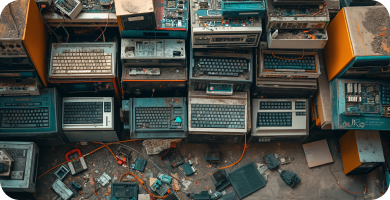
Technology has revolutionized modern life, making electronic devices indispensable for communication, business, education, and entertainment. From smartphones and laptops to printers, servers, and networking equipment, technology continues to shape everyday activities. However, the rapid advancement of electronic products has also led to a growing volume of discarded devices. Millions of gadgets reach the end of their lifecycle each year, creating significant environmental challenges. This is where e waste recycling companies in UAE play an essential role in promoting responsible technology disposal.
E-waste often contains valuable materials that can be recovered and reused, along with hazardous substances that require careful handling. Proper recycling helps reduce pollution, conserve resources, and support a sustainable circular economy.
Understanding the Growing E-Waste Problem
The increasing demand for new technology has led to shorter product lifecycles. Businesses frequently upgrade computers, servers, and communication systems to remain competitive, while consumers replace devices to access the latest features. As a result, electronic waste is accumulating at an unprecedented rate.
Improper disposal of electronics can lead to serious environmental consequences. Many devices contain substances such as lead, mercury, cadmium, and other materials that may contaminate soil and water when dumped in landfills. Responsible recycling ensures that these materials are managed safely while maximizing the recovery of valuable resources.
This growing challenge has increased the importance of professional e-waste recycling companies, which provide structured solutions for collecting, processing, and recycling obsolete electronic products.
The Importance of Responsible Technology Disposal
Responsible technology disposal goes beyond simply discarding old devices. It involves careful handling, secure processing, and environmentally responsible recycling methods. Organizations and individuals have a responsibility to ensure that electronic products are disposed of in a way that minimizes environmental impact.
When electronics are recycled correctly, valuable components such as copper, aluminum, steel, and precious metals can be recovered and reintroduced into manufacturing processes. This reduces the demand for raw material extraction and conserves natural resources.
Many e-waste recyclers also provide secure destruction services for electronic devices that contain sensitive information. This helps organizations protect confidential data while ensuring environmentally compliant disposal.
How E-Waste Recycling Works
The e-waste recycling process involves several important stages designed to maximize resource recovery and minimize environmental harm.
Collection and Transportation
The first step involves collecting electronic waste from businesses, institutions, and households. Items are gathered and transported to specialized recycling facilities where they can be processed safely.
Sorting and Assessment
Once received, electronic devices are inspected and categorized. Some products may still be suitable for refurbishment and reuse, while others are prepared for dismantling and recycling.
Data Destruction
For devices such as computers, hard drives, and storage media, secure data destruction is an essential step. Professional e waste recyclers Dubai use specialized techniques to ensure that sensitive information cannot be recovered.
Dismantling and Material Recovery
Electronic products are carefully dismantled to separate various components and materials. Metals, plastics, glass, and other recyclable materials are extracted for further processing.
Recycling and Reuse
Recovered materials are sent to recycling facilities where they can be transformed into raw materials for new products. This process supports resource conservation and reduces the environmental footprint of manufacturing.
Environmental Benefits of E-Waste Recycling
One of the most significant advantages of e-waste recycling is its positive impact on the environment.
Reduced Landfill Waste
Electronic devices occupy valuable landfill space and can release harmful substances over time. Recycling diverts these products from landfills and ensures safer waste management.
Conservation of Natural Resources
Many electronic devices contain valuable metals and materials that can be recovered and reused. Recycling reduces the need for mining and extraction activities, helping conserve finite natural resources.
Lower Energy Consumption
Producing materials from recycled sources often requires less energy than manufacturing them from virgin resources. This contributes to reduced greenhouse gas emissions and supports climate change mitigation efforts.
Pollution Prevention
Proper recycling prevents hazardous materials from entering the environment, protecting ecosystems, wildlife, and public health.
These benefits demonstrate why e-waste recycling companies are becoming increasingly important in supporting environmental sustainability.
Supporting the Circular Economy
A circular economy focuses on keeping resources in use for as long as possible through reuse, refurbishment, and recycling. E-waste recycling plays a vital role in this model by extending the lifecycle of valuable materials.
Instead of following a traditional take-make-dispose approach, organizations can embrace responsible disposal practices that promote resource recovery and waste reduction. Many e-waste recyclers actively support circular economy initiatives by helping businesses manage electronic assets more sustainably.
Refurbishment programs also contribute to this effort. Devices that are still functional can often be repaired and reused, reducing waste while providing cost-effective technology solutions.
The Role of Businesses in E-Waste Management
Businesses generate a substantial portion of electronic waste due to regular technology upgrades and equipment replacement cycles. Implementing responsible disposal strategies can help organizations meet sustainability goals while demonstrating corporate responsibility.
Partnering with reputable e-waste recycling companies enables businesses to ensure proper handling of obsolete equipment, secure data destruction, and compliance with environmental regulations.
Organizations can also educate employees about responsible disposal practices and encourage recycling initiatives throughout the workplace. These efforts contribute to a stronger culture of sustainability and environmental stewardship.
Conclusion
E-waste recycling is essential for reducing environmental impact, conserving valuable resources, and ensuring the safe disposal of obsolete electronics. By working with professional e waste recycling companies in UAE and reliable e-waste recyclers, businesses and individuals can support sustainable waste management practices. Responsible technology disposal not only protects the environment but also contributes to a cleaner, greener, and more resource-efficient future.
As a trusted partner for sustainable waste management across industries, Planet Green Recycling provides comprehensive e-waste management solutions designed to support responsible technology disposal. Their services include electronic waste collection, secure data destruction, recycling, material recovery, product destruction, and waste management solutions. With a commitment to environmental sustainability, regulatory compliance, and transparent recycling processes, they help businesses and communities manage electronic waste efficiently and responsibly.